






Small Retailer











How Malls Deploy In Practice
Shopping mall deployments follow familiar patterns.
Entrances, wings, corridors, escalators, and shared spaces form the foundation. Coverage is chosen deliberately, often partial, sometimes selective, always shaped by how the mall operates day to day.
Deployment Cases
Entrance
Floor
Zone
Reuse CCTV
Hybrid
Advanced
Entrance
Entrance deployments focus on how visitors arrive and leave the mall.
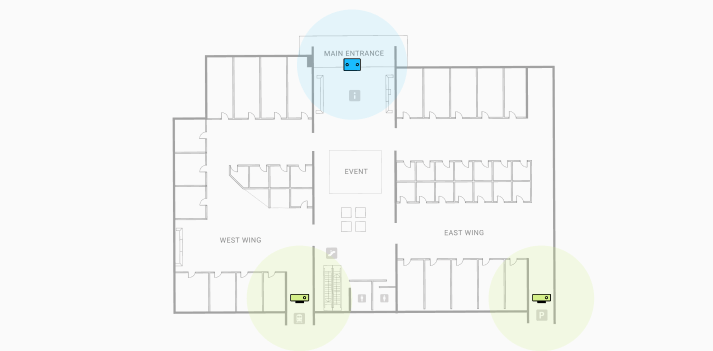
Complete Entrance Coverage
Entrance counting across all public access points in a compact mall, giving full daily in-out traffic visibility without deploying into internal corridors or shared zones.
Neighbourhood shopping mall · Europe
Approx. 10,000–20,000 m2
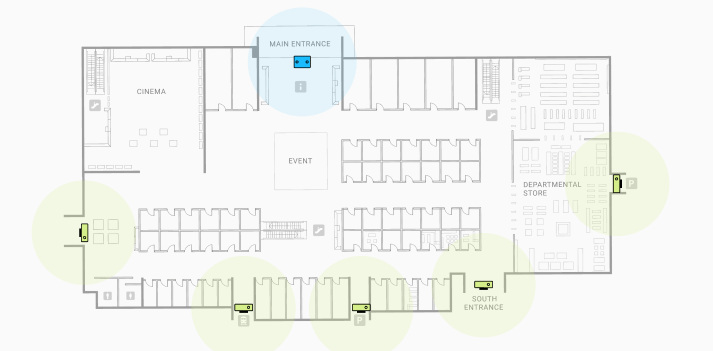
All Entrances Monitored
Counting at all primary and secondary entrances, providing consistent in-out traffic trends across weekdays, weekends, and peak seasons while keeping an entrance-only setup.
Regional shopping centre · Asia
Approx. 30,000–55,000 m2
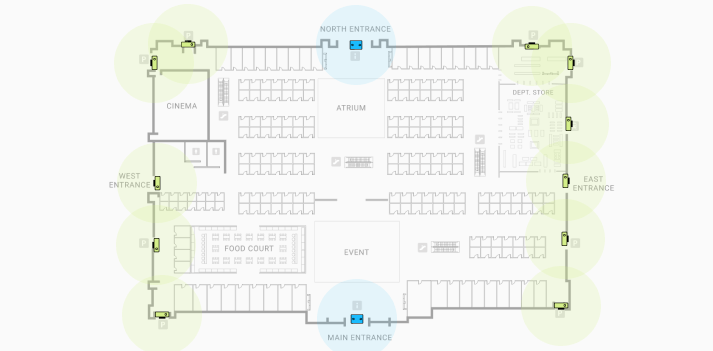
Full Perimeter Entrance Counting
Full coverage across all public entrances, including parking and transit links, creating a complete arrival-departure baseline without extending into internal zones.
Destination shopping mall · North America
Approx. 80,000–120,000 m2
Floor
Vertical deployments reveal how visitors move between floors.
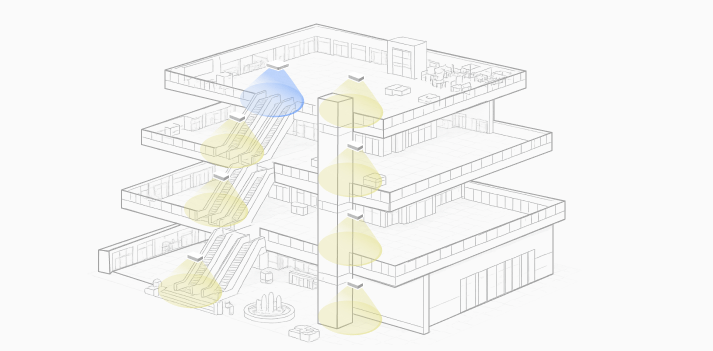
Vertical Flow Via Escalators & Elevators
People counting at escalators to observe movement between levels, enabling floor-to-floor comparison without deploying sensors across every internal corridor.
Multi-level shopping mall · Middle East
Approx. 60,000–80,000 m2
Zone
Zone deployments focus on how people distribute within shared mall spaces.
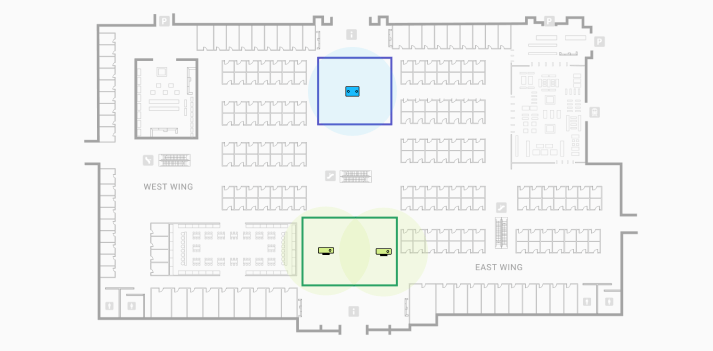
Atrium-Based Zone Visibility
Zone counting focused on central atriums and shared event spaces, offering visibility into congregation patterns without monitoring individual shopfronts.
City-centre shopping mall · Asia
Approx. 35,000–50,000 m2
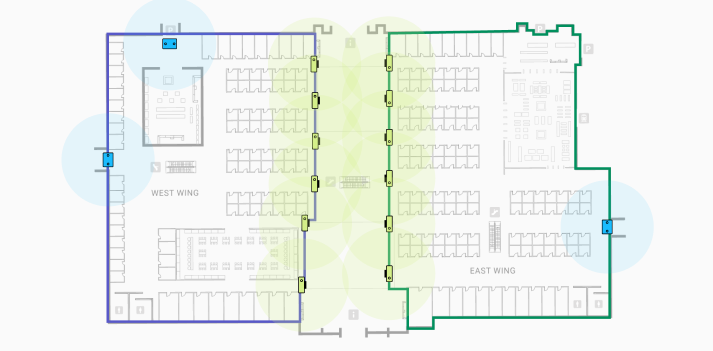
Wing-Level Zone Comparison
Zone deployment across selected wings to compare internal distribution between retail areas, while leaving low-traffic corridors uninstrumented.
Large regional mall · Europe
Approx. 65,000–85,000 m2
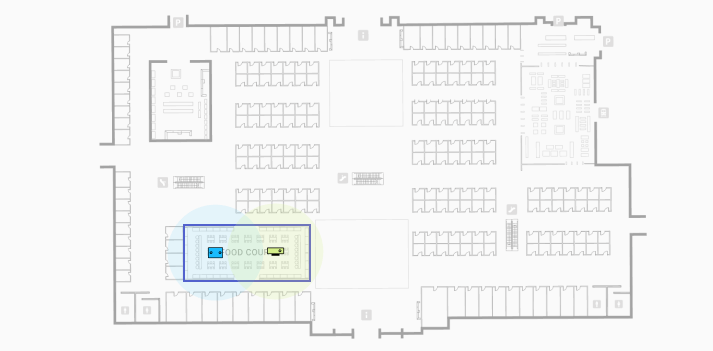
Food Court Zone Monitoring
Zone deployment across selected wings to compare internal distribution between retail areas, while leaving low-traffic corridors uninstrumented.
Large regional mall · Europe
Approx. 65,000–85,000 m2
Reuse CCTV
Some malls begin by reusing what they already have.
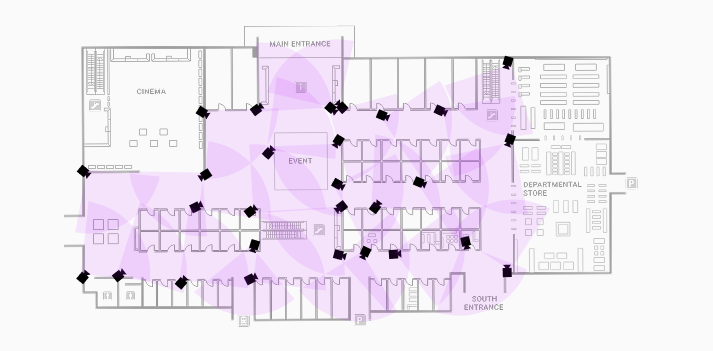
Full-On Legacy CCTV Reuse
Reuse of existing CCTV cameras to derive zone-level insights across common areas, maintaining existing infrastructure while extending analytical visibility.
Established shopping mall · Eastern Europe
Approx. 22,000–35,000 m2
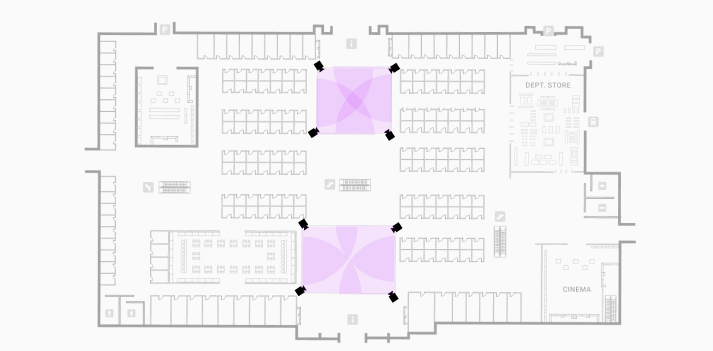
Partial CCTV Analytics Rollout
Analytics applied to selected existing cameras only, enabling gradual insight adoption without requiring full CCTV network integration.
Community shopping centre · South America
Approx. 55,000–75,000 m2
Hybrid
Hybrid deployments combine methods during transition phases.
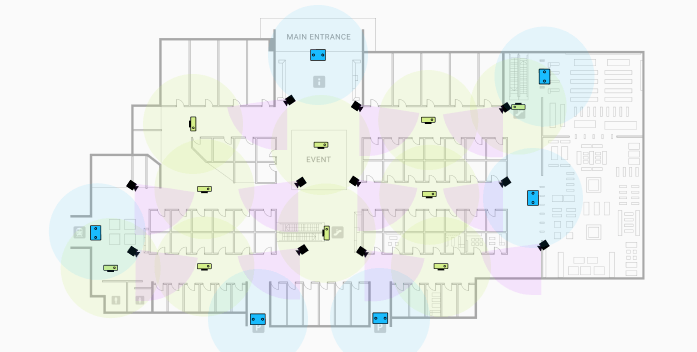
Mixed-Generation Camera Estate
Hybrid deployment combining newer people counters with older IP cameras, supporting consistent reporting during phased infrastructure upgrades.
Large suburban mall · United Kingdom
Approx. 70,000–95,000 m2
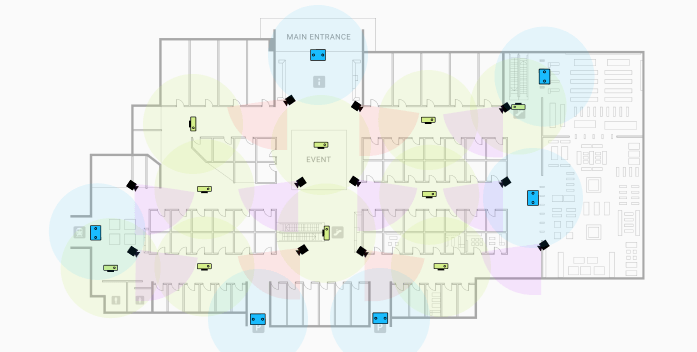
Transitional Technology Refresh
Hybrid configuration supporting analytics continuity as legacy systems are retired incrementally, avoiding disruption during multi-year refresh cycles.
Major shopping complex · Middle East
Approx. 100,000–140,000 m2
Advanced
Advanced deployments are introduced selectively.
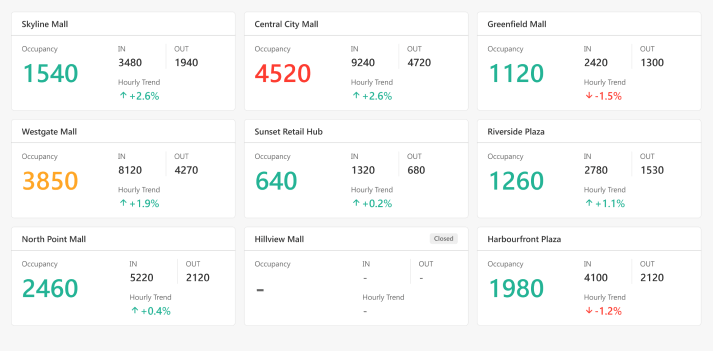
Portfolio-Level Deployment
Advanced configuration supporting consistent deployment logic across multiple malls, enabling comparable reporting while allowing site-specific scope variation.
Multi-mall portfolio · Europe
Various sizes
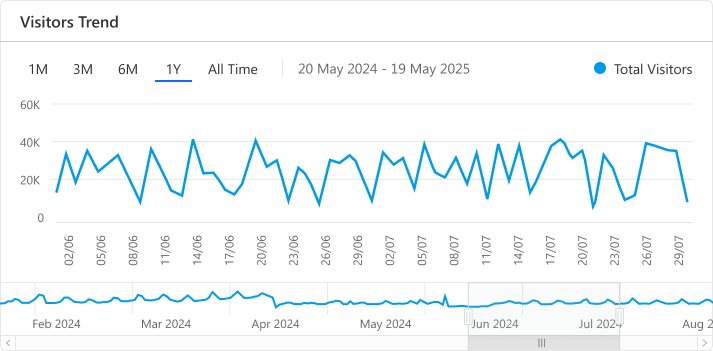
Long-Term Trend Analysis
Deployment designed for long-term data continuity, supporting multi-year trend analysis across entrances, zones, and vertical movement.
Flagship shopping mall · Asia-Pacific
Approx. 80,000–110,000 m2
Every shopping mall chooses its own deployment path.
Some malls deploy simply. Some expand gradually. Some combine approaches over time.