






Small Retailer










Overview
Shopping malls typically start with entrance counting and zone counting as the foundation of footfall measurement - prioritising accuracy, consistency, and long-term stability over advanced analytics. The focus is on entrance counts, internal zones, and outside traffic context, building the core data layer that supports reliable reporting and daily operations. Journey attribution, optimisation strategies, and advanced analytics are addressed separately.
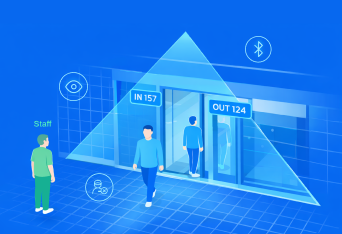
Entrance Counting: The Shopper Trend
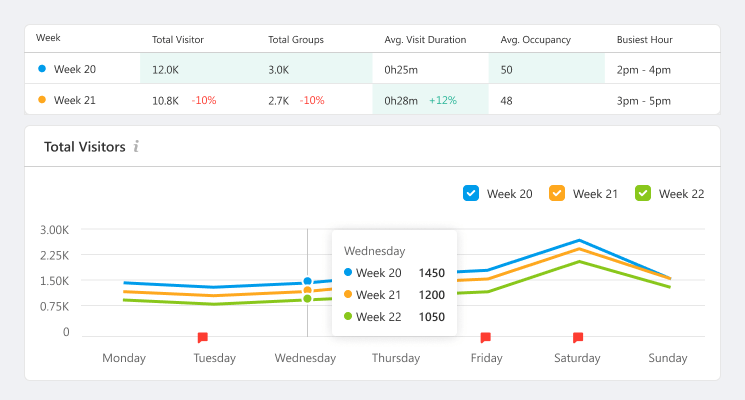
Entrance counting defines the reference number for a shopping mall.
A consistent entrance count allows malls to compare:
- Month to month
- Day to day
- Hour to hour
Even small inaccuracies compound quickly. A 10% undercount turns 2 million monthly visitors into 1.8 million. Once this baseline drifts, trend analysis, reporting, and internal benchmarking become unreliable.
For this reason, entrance counting prioritises accuracy and consistency across time, not feature depth.
Where Entrance Counting is Typically Applied

Main Entrances

Anchor store connections

Transport-Linked Access Points
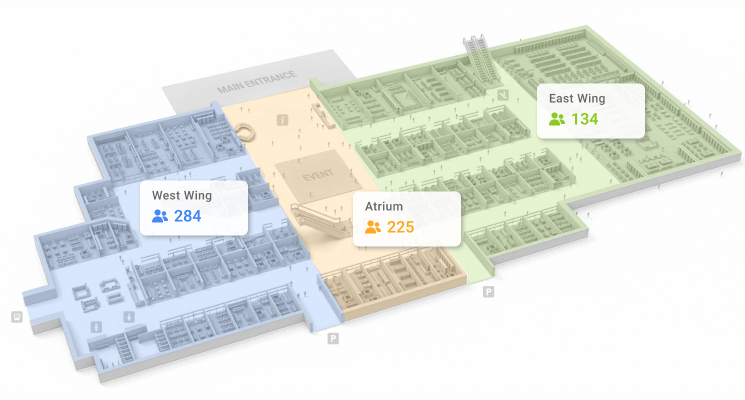
Zone Counting: Understanding Internal Distribution
After visitors enter, zone counting shows where people actually go inside the mall.
Zones are commonly defined as:
- Major wings (for example, East / West)
- Atriums
- Key corridors between anchors
Zone counts do not describe individual behaviour. They describe spatial distribution — which areas consistently receive traffic, and which areas receive less.
Over time, this reveals:
- Hot zones
- Cold zones
- Shifts in internal flow patternss
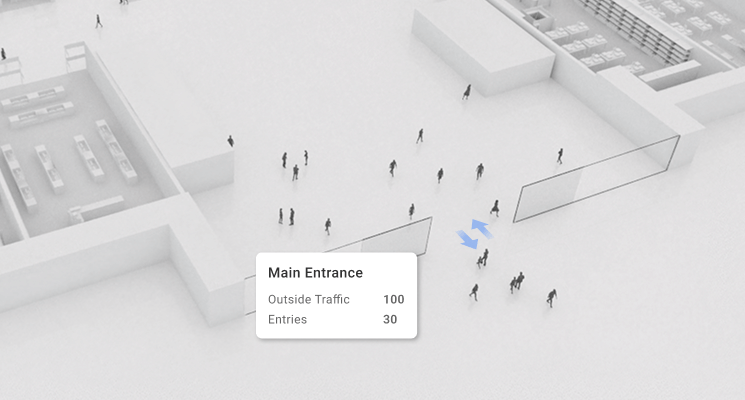
Outside Traffic as Exposure Context
Not all foot traffic enters the mall.
Outside traffic measures the volume of people passing entrances or storefronts without entering. When viewed alongside entrance and zone counts, it provides exposure context — the scale of opportunity relative to actual entry.
Comparing outside traffic with entry and zone data helps explain why certain areas underperform despite high walk-by volumes. This observation is descriptive, not prescriptive.
Deployments
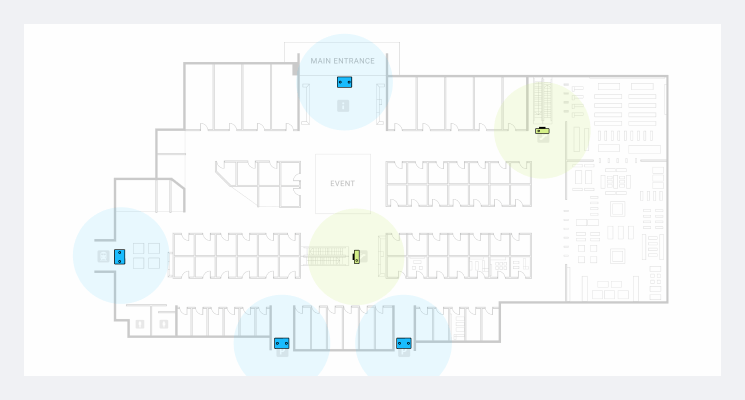
Typical Deployment Scope
Most shopping malls begin with key public entrances and major internal zones, visualised directly on the floor plan. This creates a shared reference that operations, leasing, and management teams can all understand.
Deployment Options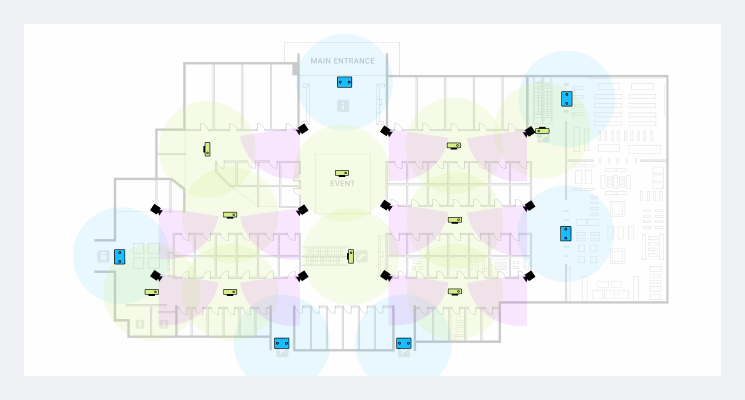
Optional Extensions
Some malls later extend this foundation with journey insights using Bluetooth, available on selected devices. This is optional and typically considered only after entrance and zone counting are established.