

Small Retailer









From Data To Decisions
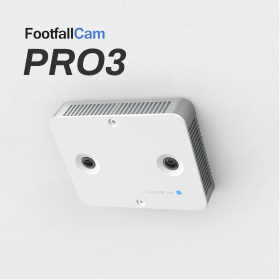
Pro3 does more than measure movement. It translates in-store behaviour into structured insight that leadership teams can act on - improving conversion, staffing efficiency, merchandising impact, and spatial performance. This is where measurement becomes commercial leverage.
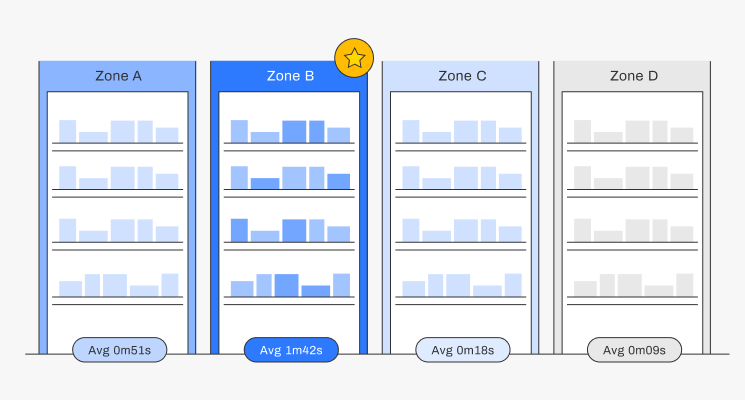
Product Engagement Rate
Pro3 quantifies how customers truly engage with products, not just whether they pass by. By analysing entry into defined display zones, time spent, and revisit patterns, retailers gain a clear view of which categories attract attention and which fail to convert interest into meaningful interaction.
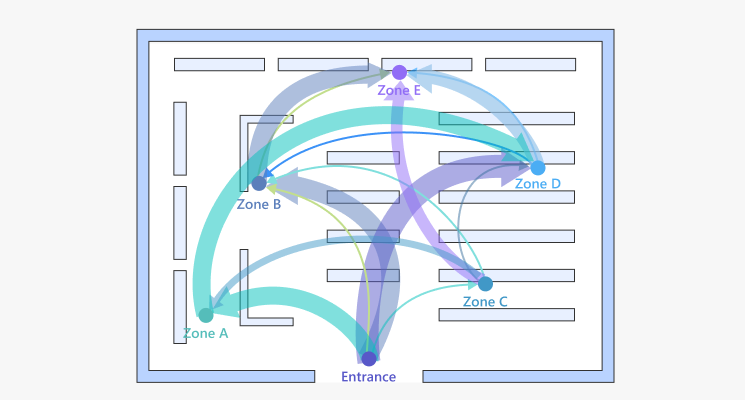
Shopper Journey Analysis
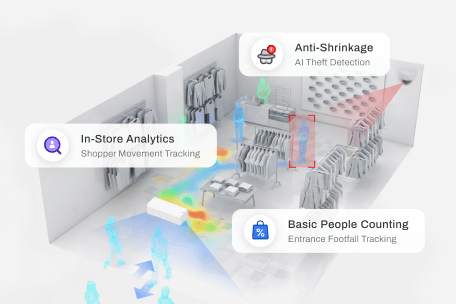
Understanding how customers naturally navigate a store reveals far more than entrance counts. Pro3 maps anonymised movement across zones to highlight dominant routes, missed areas, congestion points, and early exits. Leadership teams can see whether the store layout guides intent, or creates friction.
Shopper-Staff Interaction
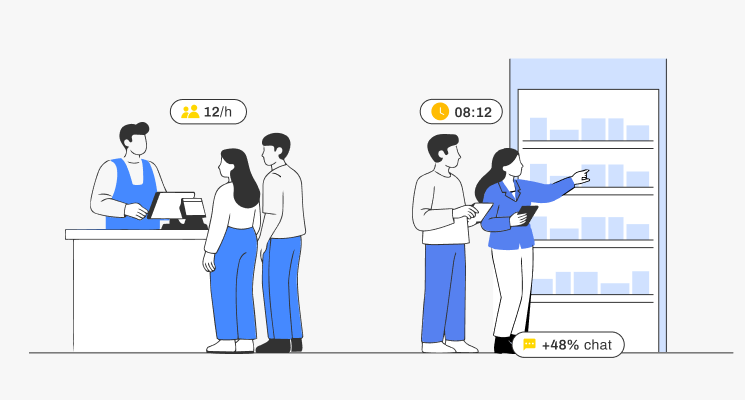
Retail performance depends on timely human engagement. Pro3 measures interaction intensity around service counters and assisted sales areas, providing visibility into service demand peaks. Insights focus on overall service distribution and demand patterns, not individual monitoring, ensuring operational alignment without privacy intrusion.
Conversion Funnel
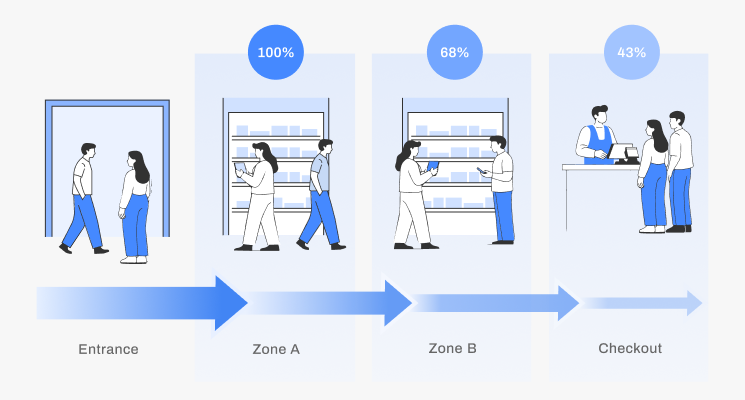
Every store has invisible drop-off points. By sequencing zone visits from entrance through key areas to checkout, Pro3 identifies where progression weakens. This reveals structural gaps in merchandising, placement strategy, or queue positioning, enabling data-backed conversion optimisation at scale.
Staff Coverage Alignment
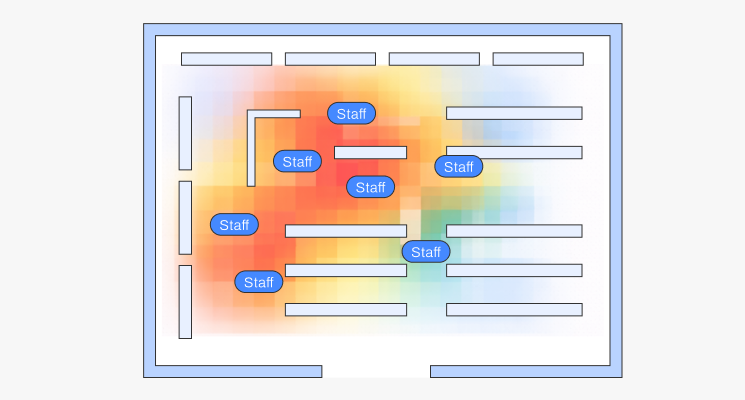
Effective staffing is about presence where demand exists. Pro3 compares traffic intensity with service zone coverage to show whether floor resources align with peak demand windows. The focus is aggregate spatial alignment, supporting workforce planning decisions without tracking individuals.
Merchandising Effectiveness
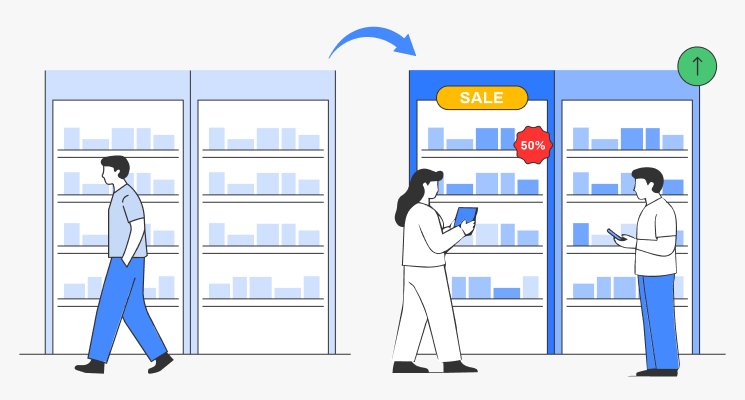
Layout changes, end-cap promotions, and thematic displays can now be evaluated objectively. Pro3 compares behavioural engagement before and after merchandising adjustments, isolating performance shifts from traffic variation. Retailers can validate uplift with confidence rather than assumption.
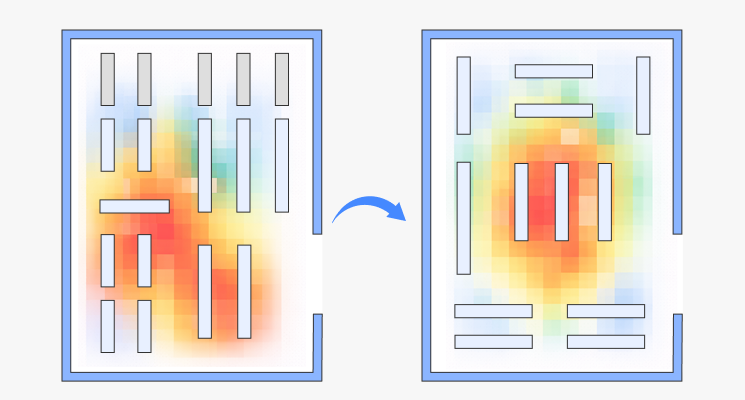
Store Layout Optimisation
Dead zones, congestion clusters, and underexposed categories reduce revenue potential. Pro3 highlights how traffic distributes across space, enabling informed fixture repositioning and layout refinement. Leaders can redesign environments based on behavioural evidence rather than intuition.
Queue & Service Levels
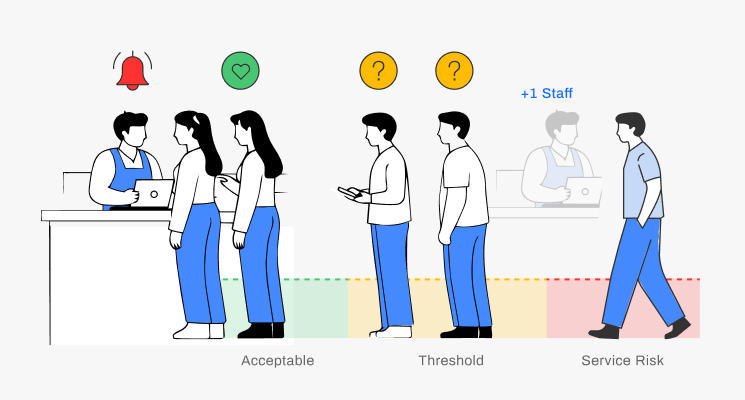
Queue formation and waiting pressure are leading indicators of dissatisfaction. Pro3 provides structured visibility into service strain inside the store, enabling proactive threshold-based staffing decisions. The result is balanced labour cost, controlled service levels, and improved customer experience.