

Small Retailer










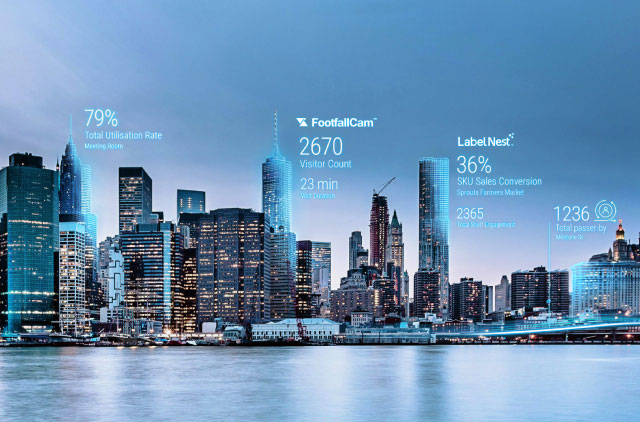

Our approach to responsible AI at FootfallCam
Artificial intelligence is becoming increasingly capable of understanding human behaviour. It can observe how people move, where they spend time, how they interact with their surroundings, and identify patterns that were previously difficult to measure.
These capabilities create valuable opportunities. They also raise important questions about how much we should learn about individuals, and what we should do with that knowledge.
At FootfallCam, we believe there is a meaningful distinction between understanding how a place operates and building intelligence about the people within it.
What We Want AI to Achieve
Retailers want to understand customer traffic, improve store layouts, reduce waiting times and provide better service. Airports want to manage passenger flows and anticipate congestion. Shopping centres want to understand how their spaces are used.These are practical, worthwhile objectives.
Our role is to help organisations answer these questions through accurate measurement, behavioural patterns and operational insights.
We want AI to help businesses understand what is happening, why it is happening, and how their services and environments can be improved.
We do not believe this requires knowing who each person is.
What We Choose Not to Do
AI is increasingly capable of inferring personal characteristics and predicting individual behaviour. But technological capability alone is not sufficient reason to develop a feature.
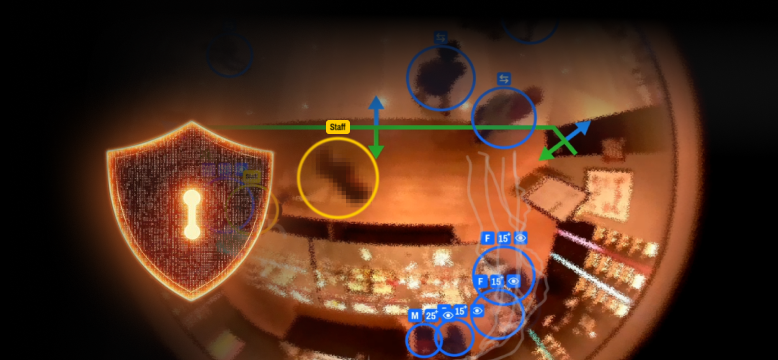
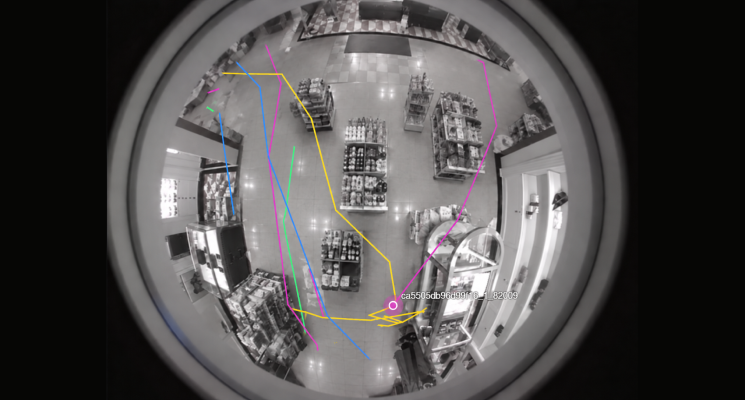
We have chosen not to develop facial recognition or persistent individual identities for recognising customers across visits.
We do not want to build profiles of individual shoppers, follow their personal histories, or use demographic characteristics such as age or gender to determine how particular individuals should be targeted, influenced or treated.
Nor do we believe that understanding operational activity should become a means of monitoring individual employees or assessing their personal behaviour.
We recognise that observing behaviour does not necessarily explain intention. Someone spending longer in an area is not necessarily interested in purchasing. A movement pattern is not a judgement about a person.
Our focus remains on understanding activities and improving operations, rather than drawing personal conclusions about individuals.
Making Informed Choices Together
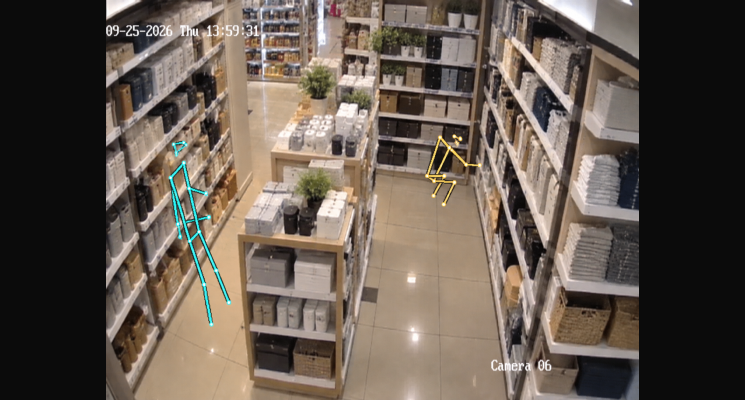
Privacy is not simply a question of whether images are stored or faces are recognised. It also concerns what information is inferred, how observations may be connected, how long information is retained, and what decisions can be made from it.
We believe customers deserve clear explanations of these matters before deciding how to use AI. We will help organisations understand which measurements are genuinely needed, what information they involve, and whether less intrusive approaches can achieve the same objectives. We will also be clear about the capabilities we choose not to offer, even where there may be commercial demand.
These principles should be reflected in our product designs, technical documentation and deployment practices. We welcome questions and scrutiny, and we accept responsibility for explaining and substantiating our commitments.
Better Intelligence, Without Knowing More About Individuals
We see considerable potential for AI to improve the way shops, airports, workplaces and public spaces operate.
Our ambition is to pursue that potential through better measurement, more reliable analysis and more useful operational recommendations, not through increasingly detailed knowledge of individual people.
We believe organisations should be able to benefit from AI while understanding and controlling its boundaries.
That is the approach we intend to develop, demonstrate and maintain as our technology evolves.
We want to understand places better, without needing to know people better.